
Selling a Ravine-Lot Home in Oakville: What Buyers Value Most
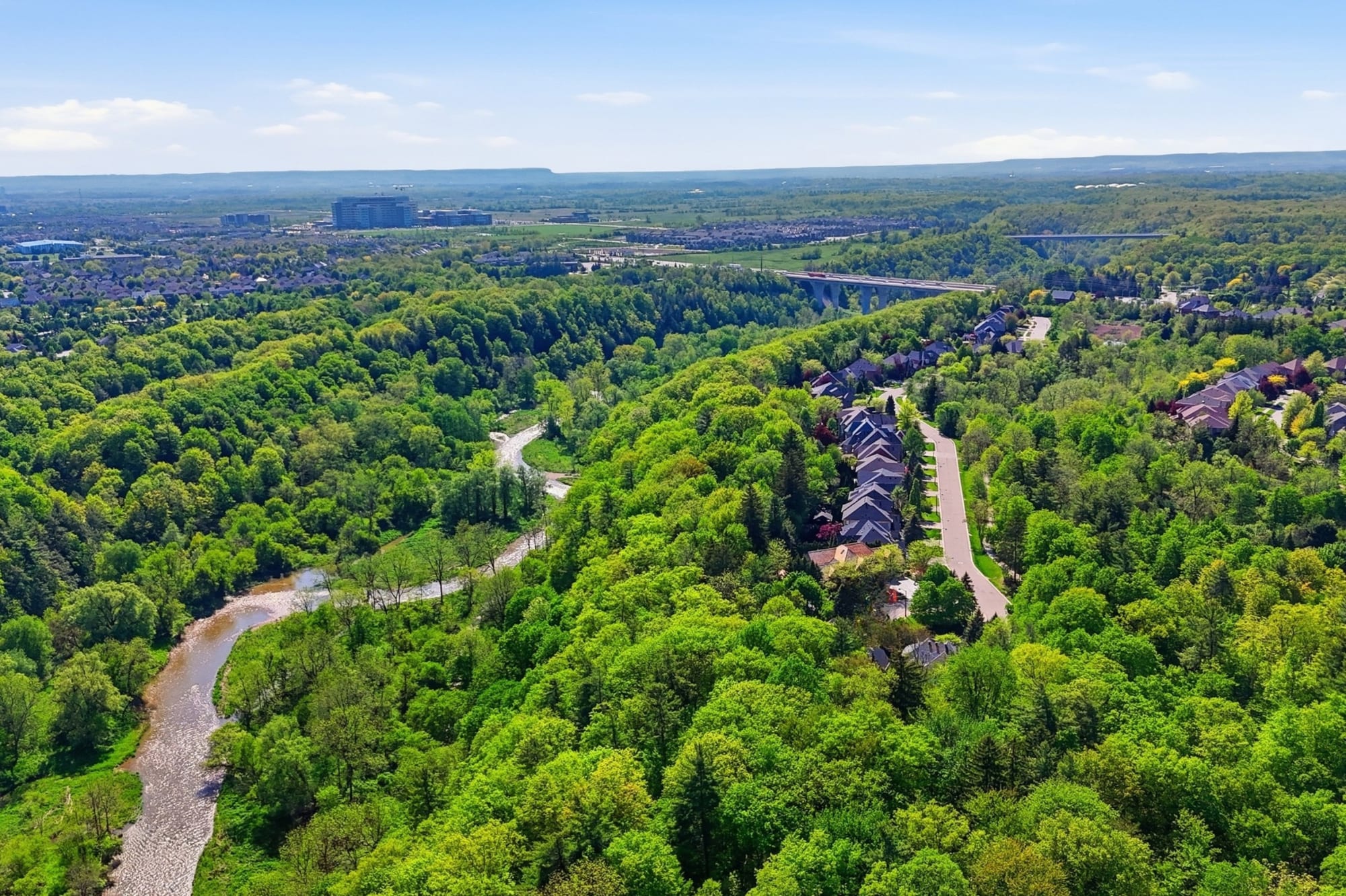
A ravine-lot home offers something interior renovations can’t replicate: a relationship with the natural landscape. In Oakville’s established enclaves, from Glen Abbey and Joshua Creek to select streets in River Oaks and Bronte Creek, wooded outlooks and separation from neighbouring properties can distinguish an estate from conventional luxury listings.
Yet a ravine setting does not automatically justify a premium. Buyers considering a $2 million-plus property assess how the landscape improves daily life, what responsibilities accompany it, and whether the asking price reflects comparable Oakville sales.
1. Privacy That Feels Natural
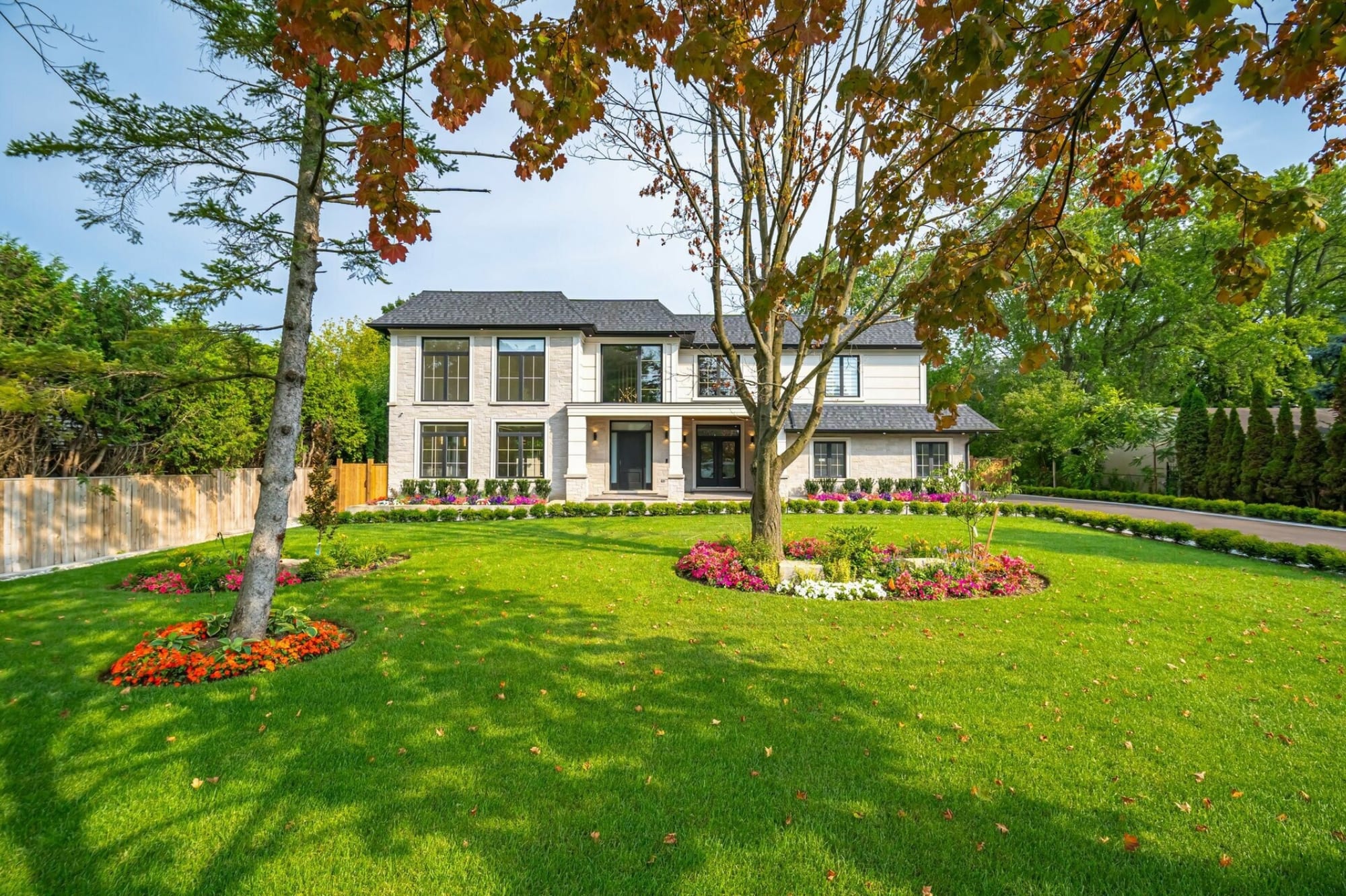
For many luxury buyers, the appeal begins with discretion. Mature trees can soften sightlines from adjacent properties, creating a secluded setting for family life and entertaining without feeling enclosed.
A 2024 NBER study on Toronto’s tree cover (“Cool Cities: The Value of Urban Trees” by Lu Han, Stephan Heblich, Christopher Timmins, and Yanos Zylberberg) highlights the economic impact of urban greenery, showing that a single tree can add 0.45% to local property prices, while significant loss in tree canopy cover can lead to notable drops in property value. The authors note that trees provide substantial amenity value, privacy, and natural cooling. These findings offer relevant context for the value attached to mature trees in Greater Toronto Area residential markets.
Before listing, consider whether key rooms, terraces and gardens actually benefit from the screening. Buyers will notice the difference between a genuinely private rear aspect and a wooded view overlooked by neighbouring windows.
2. Views From the Rooms That Matter
A ravine becomes more compelling when the architecture frames it. Floor-to-ceiling glazing, a well-positioned breakfast area or a principal bedroom overlooking the trees can make the landscape part of the home’s character.
Sellers should assess the outlook from the principal living spaces, photograph it in flattering natural light and avoid describing a partially obstructed view as panoramic.
3. Outdoor Space That Is Both Beautiful and Usable
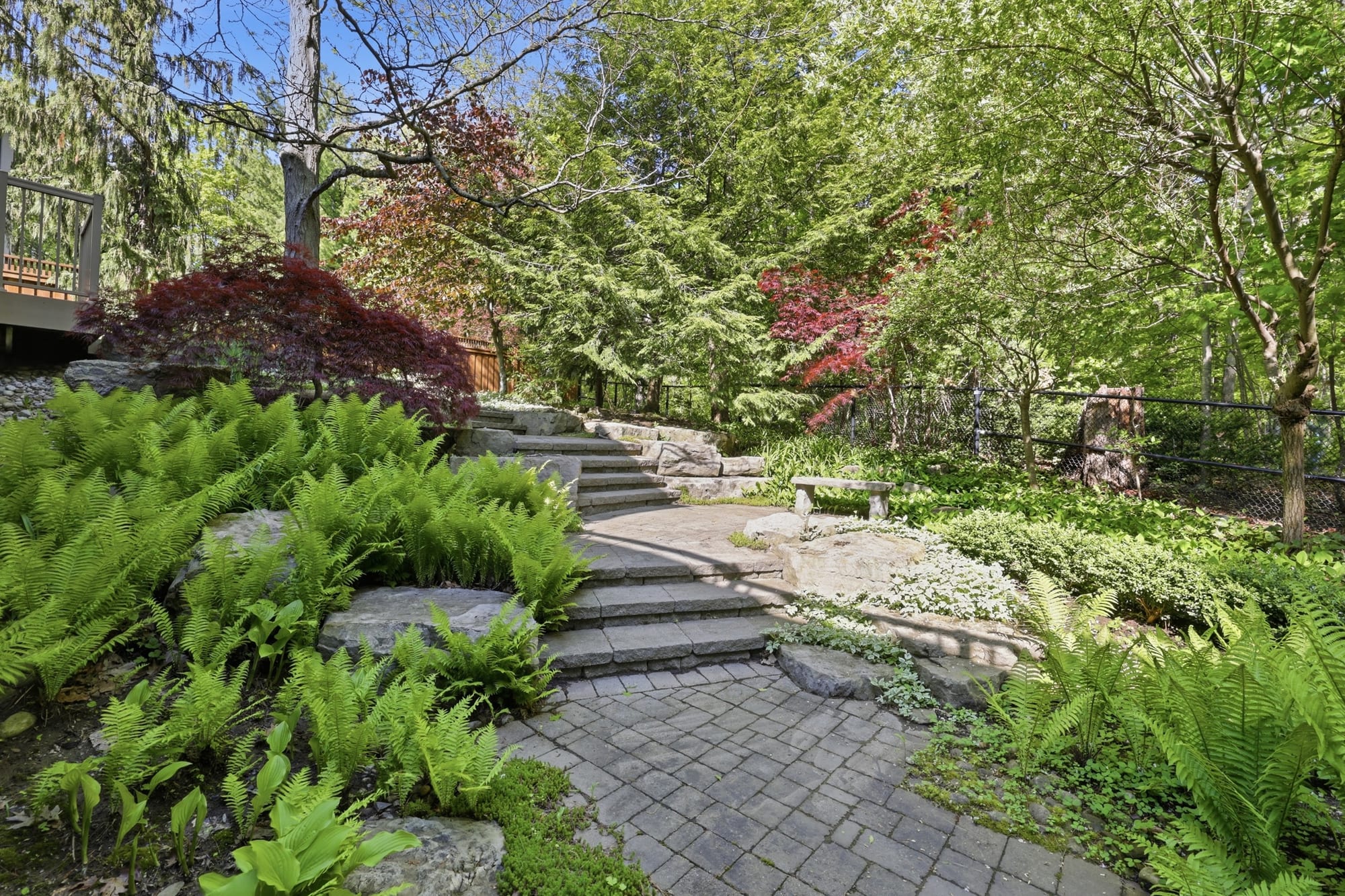
A dramatic wooded backdrop is only part of the proposition. Buyers also evaluate the level, accessible portion of the garden: room for dining, a professionally designed terrace, established planting or a comfortable place to enjoy the surroundings.
The surrounding natural tree canopy and wooded ravine backdrop often contribute significantly to a home’s overall market appeal, enhancing the value of the property without requiring the homeowner to maintain the entirety of the naturalized land.
For Oakville sellers, this suggests a practical presentation principle: distinguish the scenic ravine from the maintained garden. Clear pathways, thoughtful lighting and well-kept outdoor structures help buyers understand how the property functions, without implying that protected land is available for future development.
For broader preparation guidance, see our article on renovation upgrades that add value in Oakville.
4. Clarity About Boundaries, Trees and Conservation Requirements
Sophisticated buyers appreciate certainty. On a ravine property, they may request an up-to-date survey, information about drainage, slope conditions, retaining walls, tree health and the extent of usable land.
In Oakville, Conservation Halton regulates certain activities in and near valley lands, steep slopes, watercourses and other natural hazard areas. Development or grading may require permission, depending on the specific site.
The Town of Oakville’s Private Tree Protection By-law also generally requires a permit to remove a protected private tree measuring at least 15 centimetres in diameter at chest height, subject to applicable exceptions and separate woodland rules.
Rather than assuming expansion potential, obtain property-specific guidance. Where appropriate, assemble relevant surveys, permits, arborist assessments and maintenance records before buyers ask. Clear documentation can support confidence during due diligence.
5. Architectural Quality and Everyday Comfort
A compelling ravine setting should complement the residence rather than compensate for shortcomings.
Buyers of Oakville luxury homes will still examine floor-plan flow, natural light, kitchen and bathroom quality, mechanical systems, and the condition of landscape-facing windows. They may also consider moisture management, basement condition and seasonal maintenance.
For a custom-build or heritage residence in Old Oakville, architectural pedigree and sympathetic updates can matter as much as the rear outlook. In newer luxury properties, buyers may prioritize contemporary glazing, energy performance and indoor-outdoor continuity.
The goal is to present a complete estate: a distinguished home in a distinctive setting.
6. A Valuation Based on the Right Oakville Comparables
Don’t price a ravine lot by applying a fixed percentage to a standard detached home. Its contribution depends on lot dimensions, usable area, privacy, exposure, topography, architectural quality and recent buyer demand.
A meaningful property valuation compares recent transactions within the relevant Oakville micro-market, then adjusts for differences that genuinely influence buyer decisions. For example, a ravine-backed property in Glen Abbey should not automatically be assessed using the same assumptions as an estate in Morrison.
For owners considering a move, our Oakville downsizing guide offers further planning considerations.
7. Marketing That Respects the Property and Its Owners
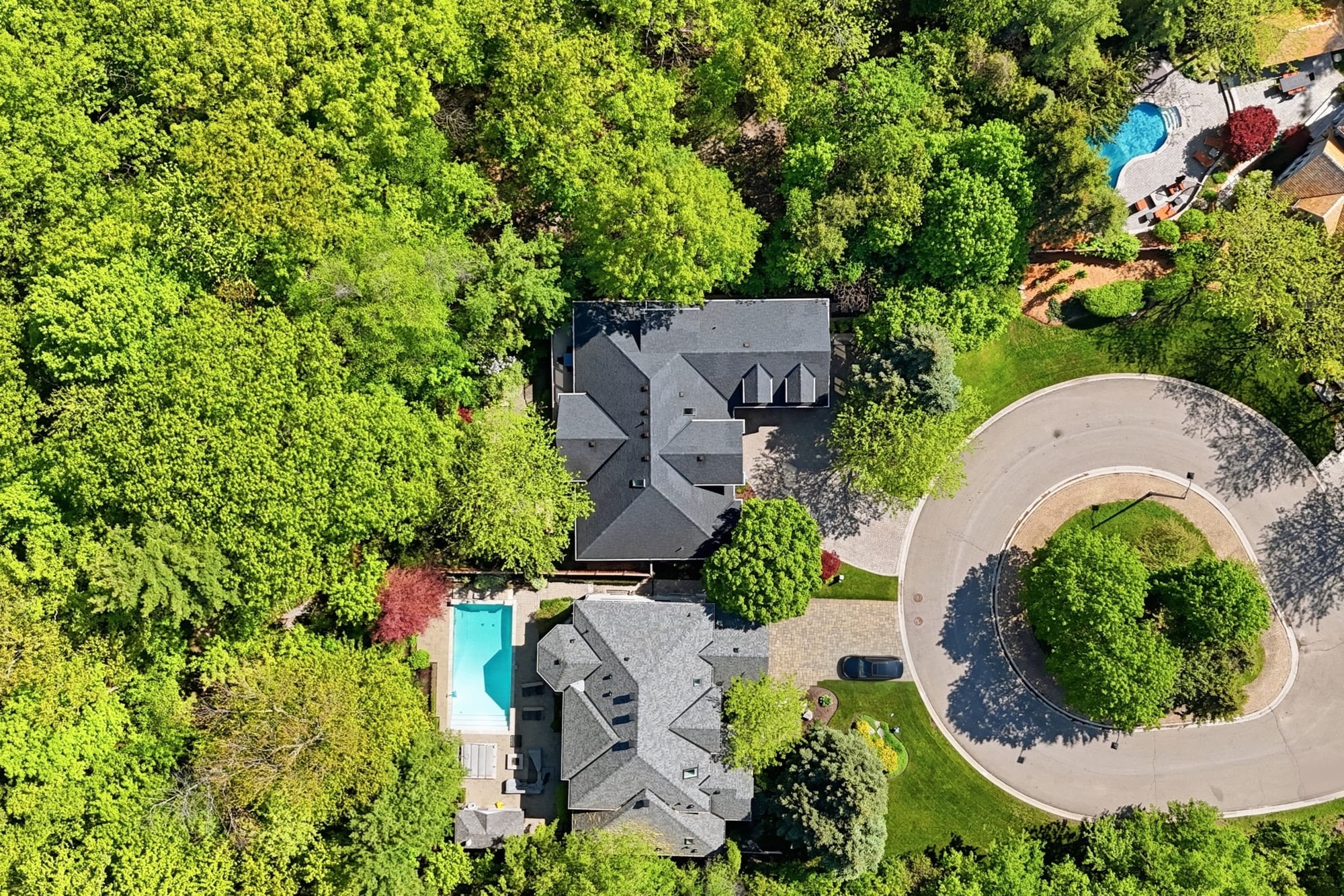
Effective luxury marketing tells a precise visual story. Professional photography should capture the landscape from inside the home, while carefully planned aerial imagery can explain the setting without misrepresenting property boundaries.
Seasonal images, measured floor plans and carefully written descriptions should establish what is distinctive. Qualified viewings, coordinated access and a considered disclosure strategy can also help protect an owner’s privacy.
The Dan Cooper Group combines Oakville market knowledge with bespoke property marketing, including photography, video and targeted digital exposure. The approach should match both the property and the seller’s preferred level of discretion.
Understand the Full Value of Your Ravine-Lot Home
Selling a ravine-lot home in Oakville calls for more than highlighting mature trees. Buyers value privacy, views, usable outdoor living, architectural quality and confidence about the land itself.
If you are considering selling an estate in Oakville, connect with the Dan Cooper Group for a discreet, complimentary property valuation and a tailored discussion of your options. Visit dancooper.com to begin.