
Corner Lots vs Interior Lots: How Location Within an Oakville Street Affects Value
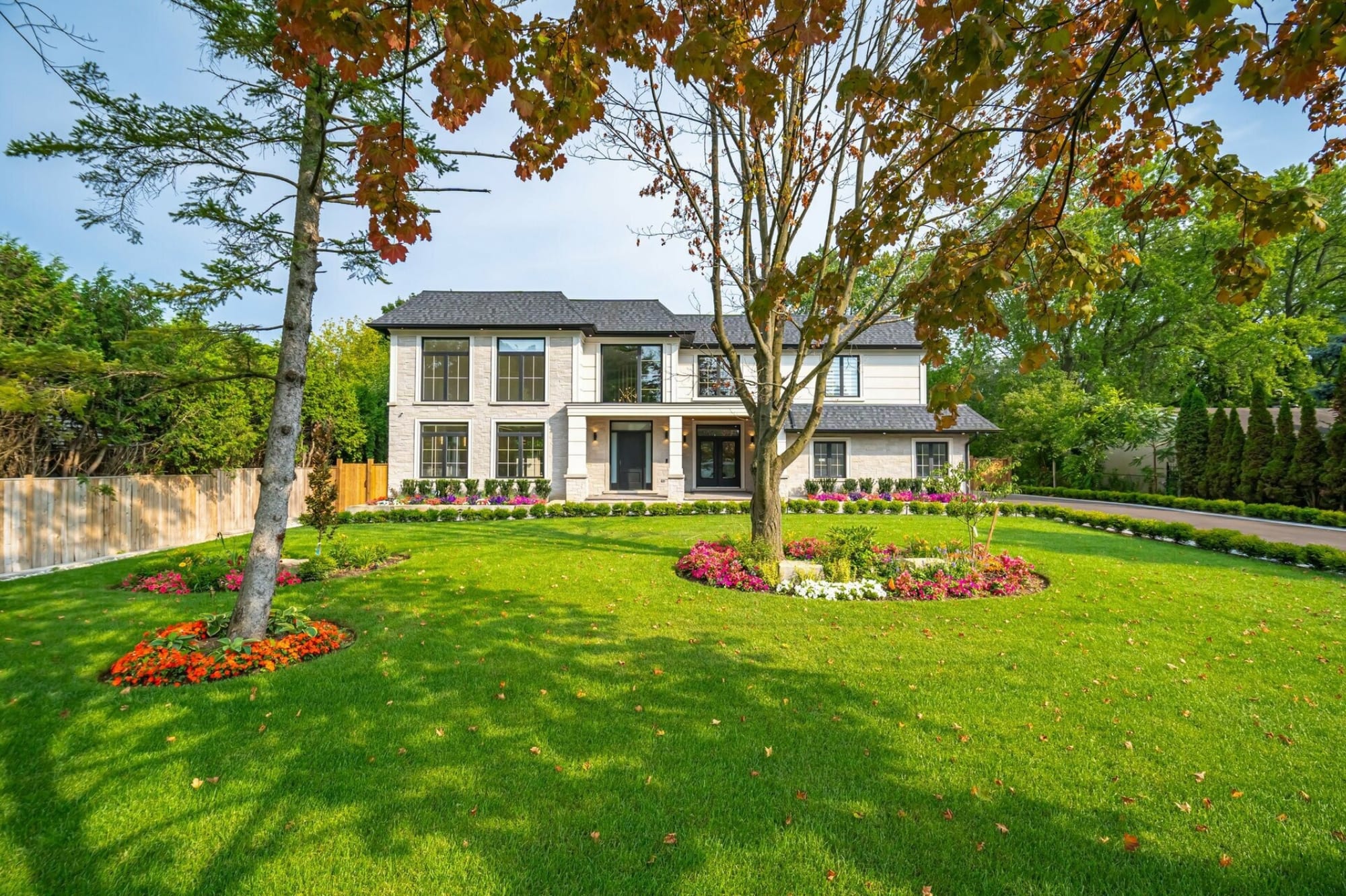
In Oakville’s established luxury neighbourhoods, two properties on the same street can command noticeably different prices despite similar architecture, interior finishes, and lot dimensions. One often-overlooked factor is whether a home sits on a corner lot or an interior lot.
From the estates of Southwest Oakville to the tree-lined streets of College Park and Glen Abbey, lot placement influences privacy, landscaping possibilities, architectural flexibility, and buyer preferences.
Understanding these distinctions matters, especially for homeowners considering a sale. In Oakville’s luxury real estate market, a property’s position within its immediate surroundings can meaningfully influence its valuation.
At Dan Cooper Group, we assess these subtleties through local sales evidence, neighbourhood knowledge, and an understanding of what discerning Oakville buyers value when comparing distinctive residences and established estates.
What Makes Corner Lots Different From Interior Lots?
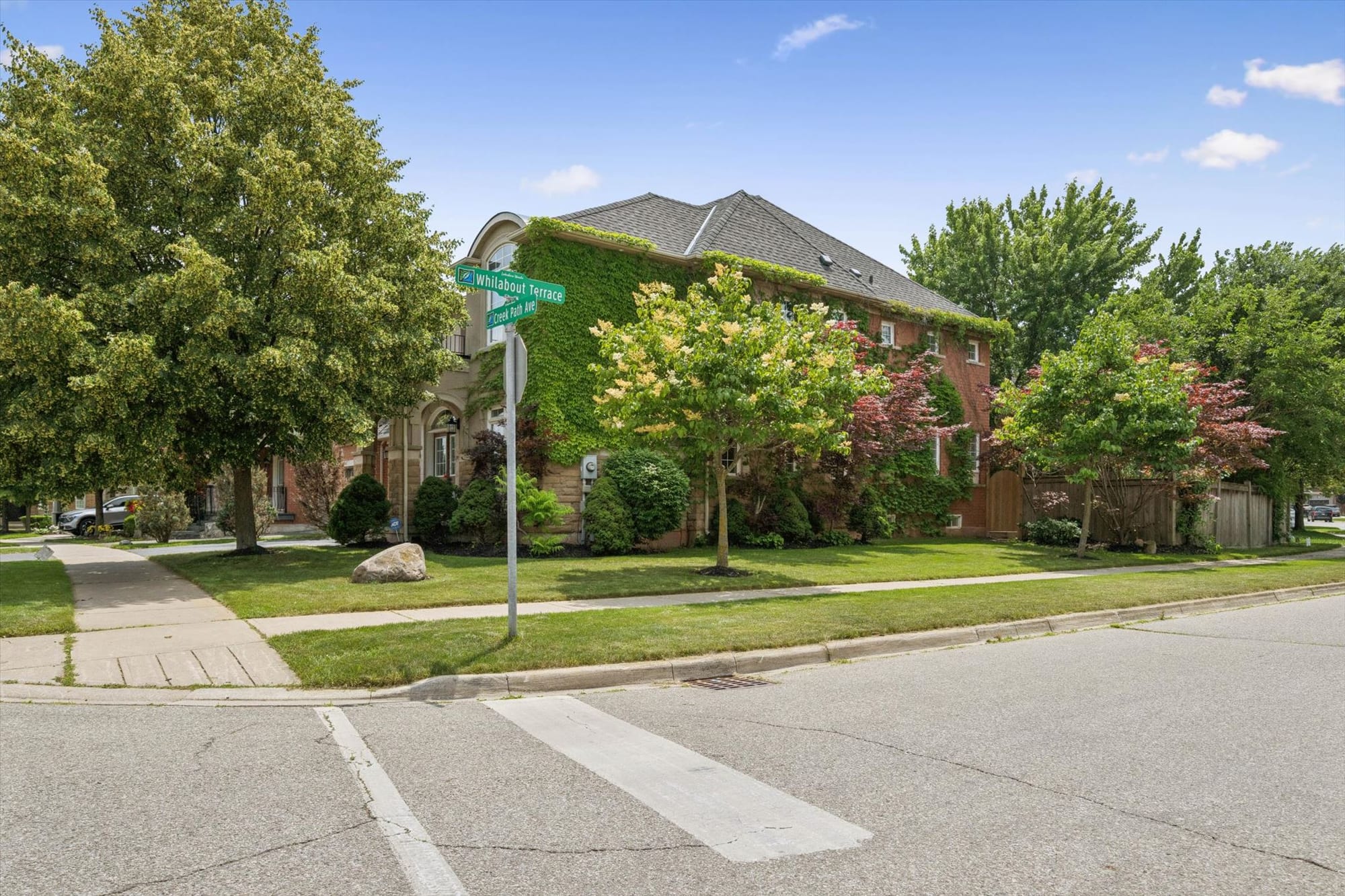
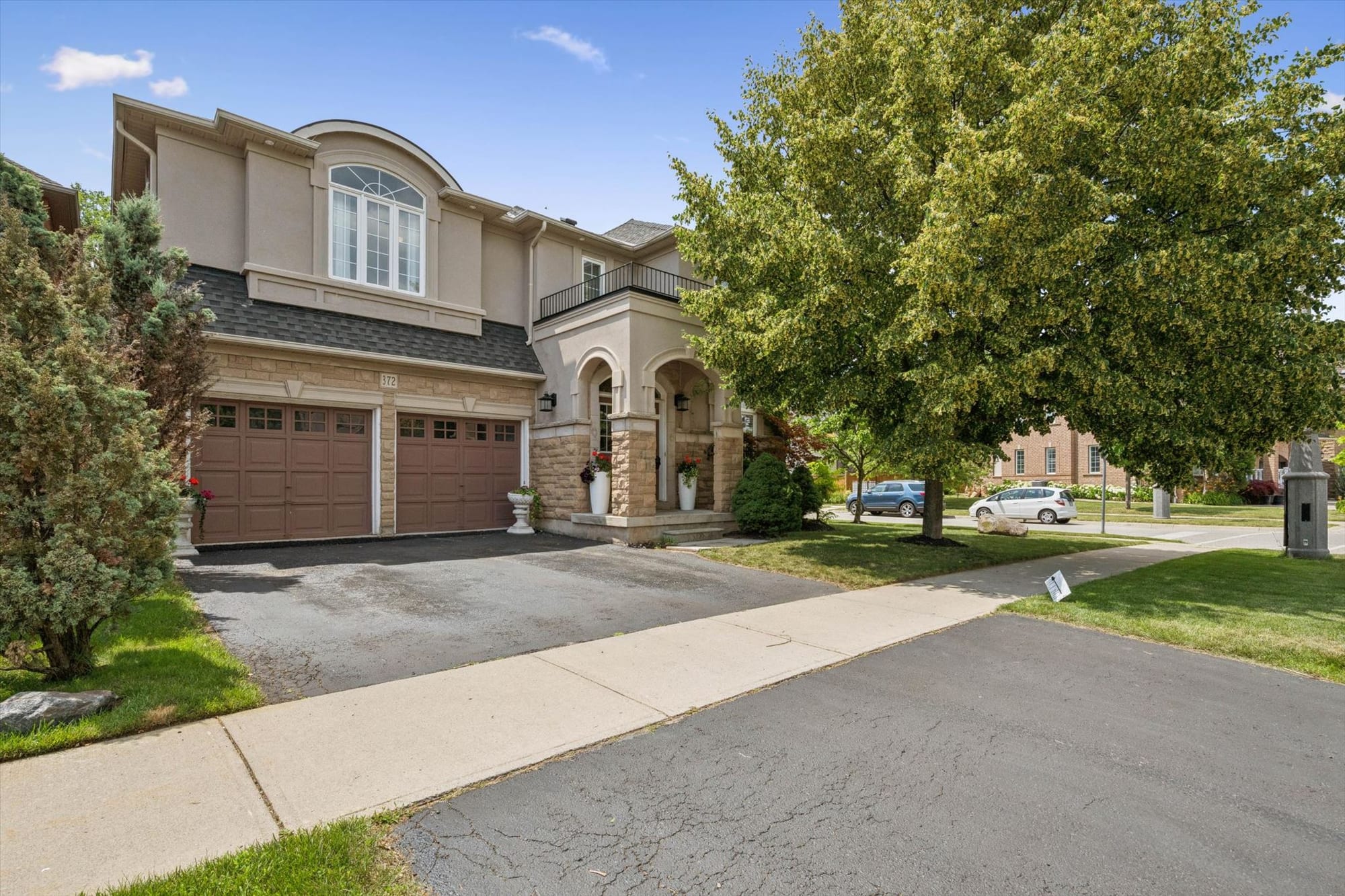
A corner lot sits at the intersection of two streets, typically providing exposure along two road frontages. An interior lot sits between neighbouring properties, typically with one street frontage.
Both configurations offer advantages, depending on the property’s dimensions, orientation, and surrounding environment.
| Feature | Corner Lot | Interior Lot |
|---|---|---|
| Street frontage | Typically two sides | Usually one side |
| Privacy | More street exposure | Often more sheltered |
| Landscaping | Additional visible frontage | More contained grounds |
| Traffic exposure | Depends on intersection | Depends on street |
| Architectural possibilities | Potentially flexible | Often more conventional |
| Maintenance | May involve more frontage | Usually simpler |
Neither configuration automatically commands a premium. Lot characteristics and buyer expectations determine the property’s market appeal.
Why Corner Lots Can Appeal to Oakville Luxury Buyers
Greater Architectural Presence
Corner properties often offer greater visibility, allowing buyers to appreciate distinctive architecture from multiple perspectives.
In prestigious enclaves such as Old Oakville and Morrison, this can benefit custom-built residences featuring carefully considered façades, mature landscaping, and impressive entrances.
A corner estate with substantial setbacks and established greenery may offer a particularly attractive streetscape.
Potential Design Flexibility
Depending on zoning requirements, corner properties may accommodate interesting architectural arrangements, including alternative garage positioning or landscaped entrances.
However, additional frontage does not necessarily mean greater building potential, as local setback rules and corner lot setback requirements across Greater Toronto Area municipalities can significantly constrain the usable building envelope compared to interior lots.
This underscores why local zoning bylaws and specific street conditions matter more than corner positioning alone when evaluating development flexibility in Ontario communities.
Why Interior Lots Often Attract Privacy-Focused Buyers
A More Secluded Residential Setting
Interior lots often offer more separation from public activity, especially on quiet residential streets.
For privacy-focused buyers, this can be especially desirable in established Oakville neighbourhoods such as Westmount and River Oaks.
Properties with mature hedging, landscaped gardens, and limited street exposure may offer an appealing sense of retreat.
Reduced Exposure to Traffic
An interior property away from intersections may see fewer vehicles and less pedestrian activity.
In Ontario residential markets, exposure to vehicle traffic and road noise can affect home valuations and resale desirability.
Traffic volume and road noise levels interact closely with property placement, which can create price differences between interior homes and those bordering busy thoroughfares.
For Oakville homeowners, this reinforces the importance of evaluating the actual street environment rather than relying exclusively on lot classification.
How Lot Position Influences Value Across Oakville Neighbourhoods
Oakville neighbourhoods vary in architectural character and buyer expectations.
Old Oakville and Morrison
In these established luxury enclaves, architectural pedigree, mature trees, lot proportions, and privacy matter especially.
A corner estate with generous grounds may attract buyers seeking architectural distinction, while an interior property with secluded gardens may appeal to those prioritizing discretion.
West Oakville and Southwest Oakville
In West Oakville, lot depth, orientation, and proximity to desirable residential streets can influence valuation.
For waterfront properties, lake frontage, views, and shoreline characteristics may outweigh the distinction between corner and interior positioning.
Glen Abbey and Joshua Creek
In Glen Abbey and Joshua Creek, buyers may consider practical characteristics such as garden usability, driveway access, neighbouring homes, and proximity to parks.
A quiet interior lot may appeal to privacy-conscious families, while a well-landscaped corner property can offer additional architectural presence.
Explore the Dan Cooper Group’s Oakville community guide for further neighbourhood insights.
The Importance of Landscaping and Mature Trees
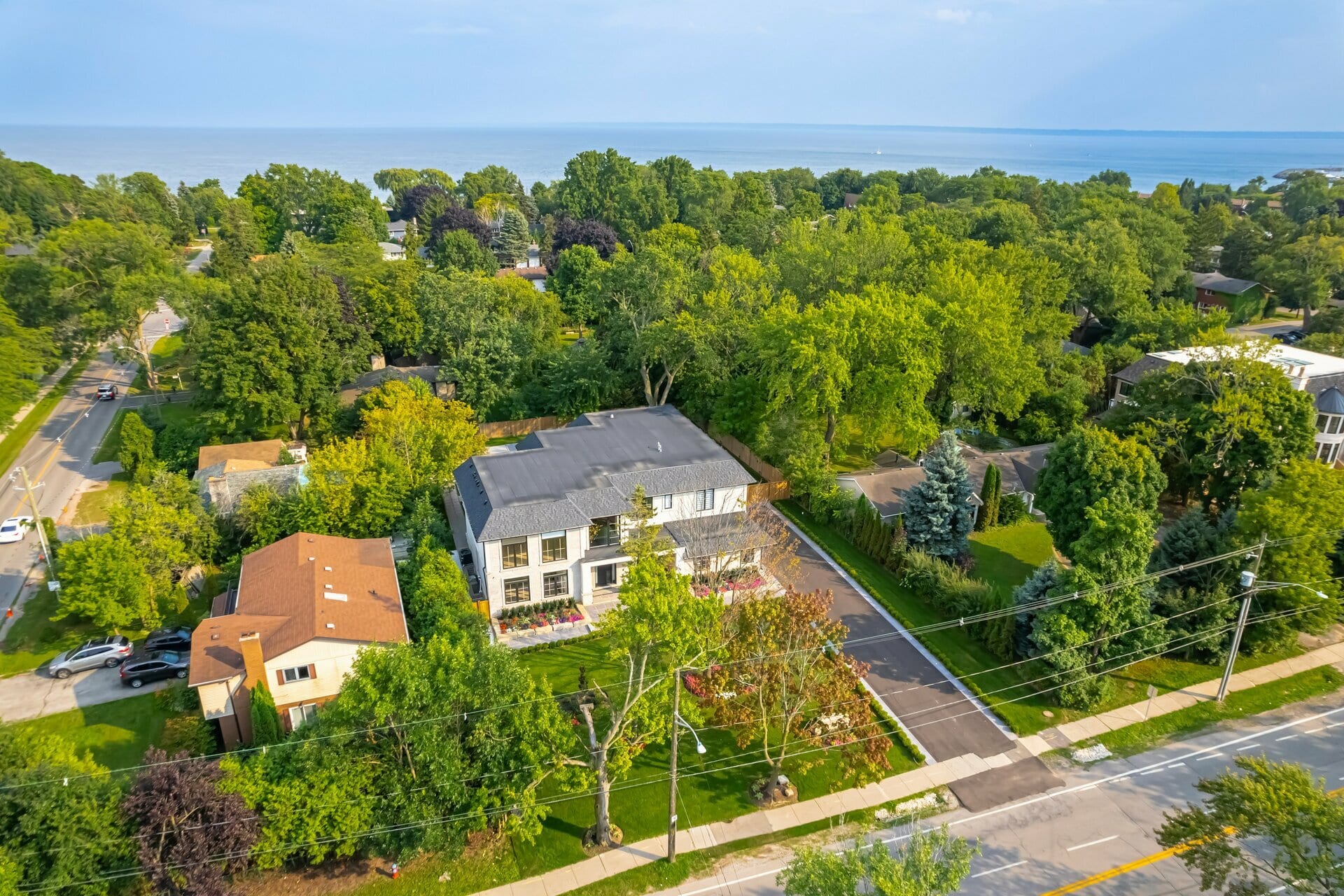
Landscaping can substantially influence how buyers perceive both corner and interior properties.
Corner estates may benefit from carefully positioned hedges and mature trees that soften street exposure. Interior properties can use landscaping to establish private outdoor living spaces.
Des Rosiers and colleagues (2002), in Landscaping and House Values: An Empirical Investigation, analyzed 760 single-family property transactions in Quebec.
Their findings associated desirable landscaping features, including appropriate tree coverage and hedging, with higher property values.
For Oakville luxury homeowners, professionally maintained grounds can therefore be an important consideration when preparing a property for sale.
How Should Oakville Homeowners Assess Their Lot’s Value?
A comprehensive property valuation should consider more than square footage and recent neighbourhood sales.
Important factors include:
- Lot dimensions: Frontage, depth, shape, and usable outdoor space.
- Street characteristics: Traffic patterns, intersection activity, and surrounding properties.
- Privacy: Mature vegetation, sightlines, and neighbouring structures.
- Development considerations: Applicable zoning, setbacks, heritage restrictions, and municipal requirements.
- Comparable sales: Recent transactions involving genuinely similar Oakville properties.
Rather than applying a fixed corner-lot premium or discount, valuation should reflect these characteristics collectively.
Homeowners considering their next chapter may also find value in the Oakville downsizing guide.
Understanding Your Property’s Position in Oakville
Corner and interior lots each offer advantages within Oakville’s luxury housing market. Architectural presence, privacy, landscaping, and street conditions ultimately determine how buyers perceive their value.
For owners of established estates and custom-built residences, an accurate assessment requires detailed knowledge of comparable properties and neighbourhood-specific buyer preferences.
With deep Oakville roots, bespoke marketing programs, and global reach backed by local expertise, the Dan Cooper Group provides considered guidance tailored to each property.
Contact the Dan Cooper Group for a discreet, complimentary property valuation and a thoughtful assessment of your home’s position in the Oakville real estate market.
Visit www.dancooper.com to explore further insights into Oakville luxury real estate.