
How Architectural Style Influences Luxury Home Value in Oakville
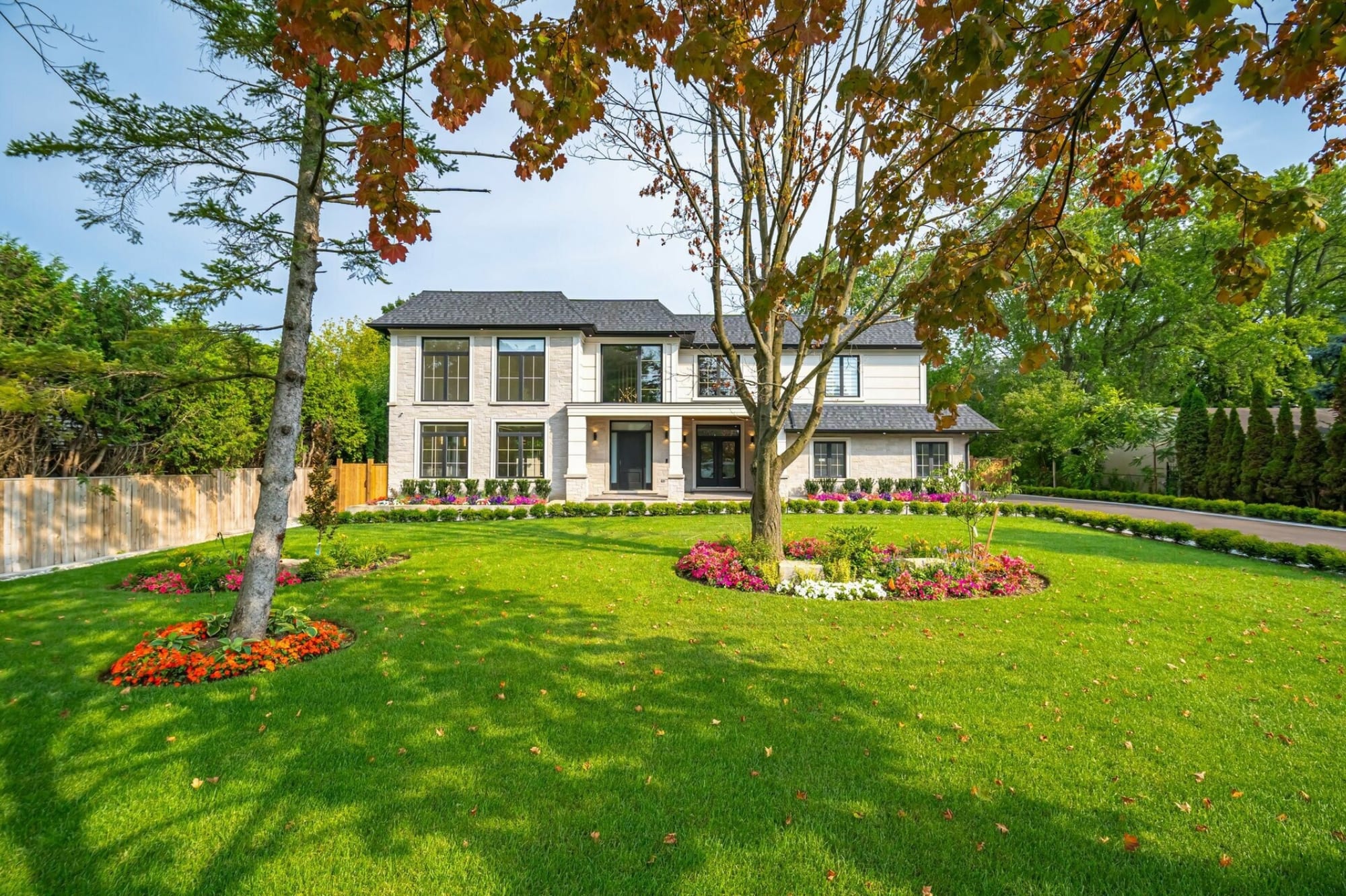
In Oakville’s luxury real estate market, architectural style influences far more than a property’s appearance. It shapes buyer expectations, reflects neighbourhood character, and can contribute significantly to long-term market value.
From heritage estates in Old Oakville to custom-built estates in Morrison and Ford, each architectural approach offers distinct advantages. However, a property’s value depends on how well its design complements its location, functionality, and surroundings.
For homeowners considering a sale, understanding these relationships is essential. Architectural pedigree, construction quality, and design consistency can all influence how prospective buyers assess an exclusive Oakville residence.
Why Architectural Style Matters in Oakville Luxury Real Estate
Luxury buyers evaluate properties based on several factors, including location, privacy, craftsmanship, and architectural identity.
A distinctive residence may draw more attention when its design offers qualities competing properties cannot easily replicate.
You can see this in Oakville’s comparable sales. Two homes of a similar size on similar lots can sell for noticeably different prices when one has a clear, well-executed architectural identity and the other doesn’t.
Architectural Styles That Define Oakville’s Luxury Neighbourhoods
Different Oakville enclaves have developed distinct architectural identities. Understanding these characteristics helps establish realistic expectations during property valuation.
1. Georgian and Traditional Architecture in Old Oakville
Old Oakville features Georgian, Victorian, and Classical Revival influences.
Symmetrical façades, traditional brickwork, proportionate windows, and carefully preserved detailing contribute to the area’s architectural character.
Properties combining historical authenticity with thoughtfully integrated modern amenities may appeal to buyers seeking heritage, exclusivity, and established surroundings.
2. Custom-Built Estates in Morrison and Ford
Morrison and Ford are associated with substantial residences, mature landscaping, and established luxury properties.
Architectural styles include traditional stone estates, transitional designs, and contemporary custom homes.
Buyers often consider:
- Quality of construction and architectural detailing
- Privacy, setbacks, and mature landscaping
- Functional layouts and natural light
- Integration of indoor and outdoor living areas
- Proximity to Lake Ontario and neighbourhood amenities
A carefully designed estate can distinguish itself through craftsmanship rather than size alone.
3. Contemporary Custom Homes in Southwest Oakville
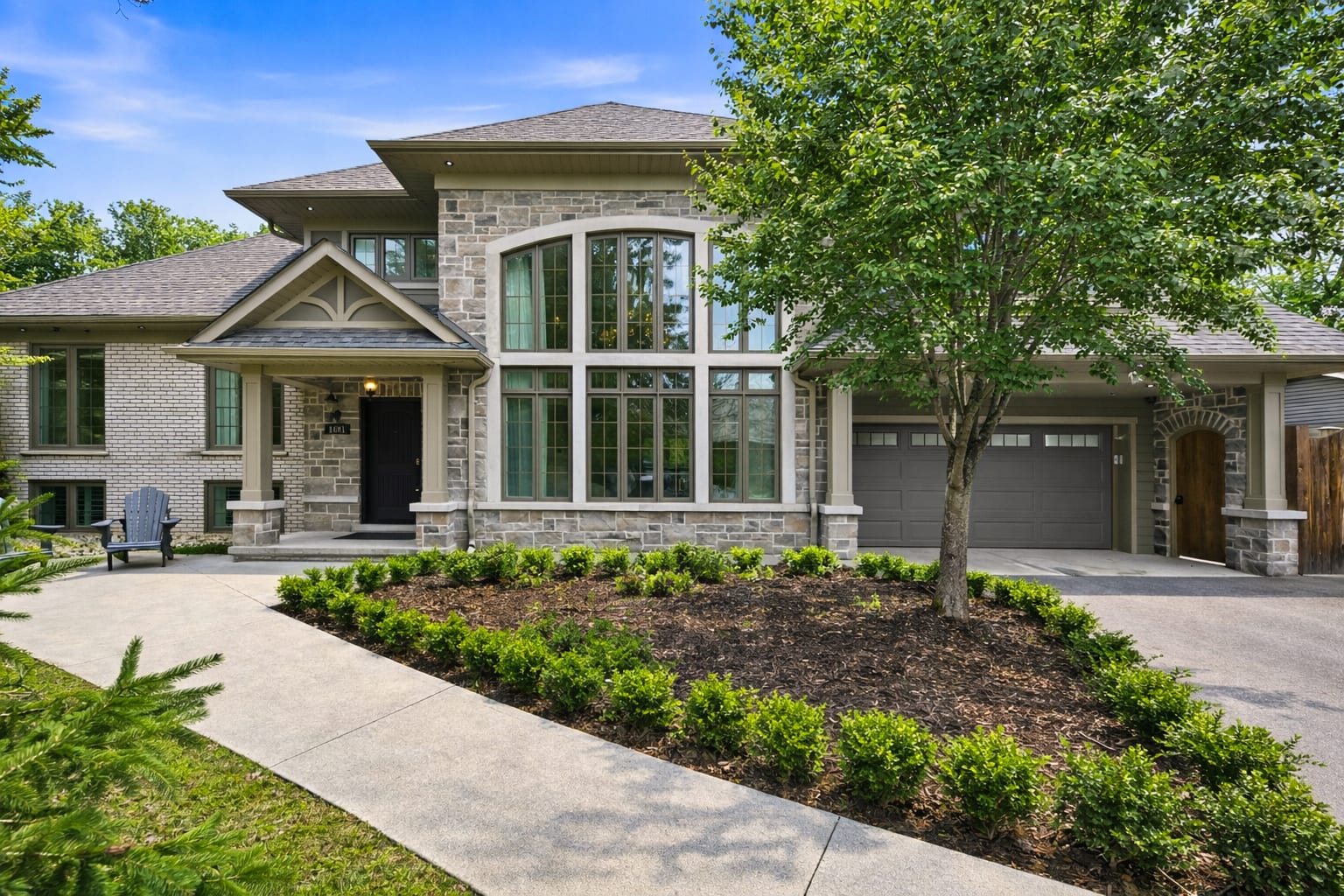
Southwest Oakville has seen many older homes replaced by contemporary custom builds.
Open layouts, expansive glazing, sophisticated materials, and integrated technology can appeal to buyers prioritizing modern functionality.
However, contemporary architecture must balance visual impact with everyday practicality.
4. Established Traditional Homes in Glen Abbey and Joshua Creek
Glen Abbey and Joshua Creek offer established detached homes with traditional architectural influences.
Properties featuring professionally designed renovations, consistent exterior detailing, and functional interiors may stand apart from otherwise comparable residences.
Here, design quality and condition often matter more than architectural novelty.
Heritage Architecture: Distinction, Preservation, and Value
Heritage properties represent a distinct segment of Oakville’s luxury housing market.
Their appeal often comes from characteristics that are hard to recreate, including original craftsmanship, historical significance, and established streetscapes.
A 2012 study by the University of Waterloo’s Heritage Resources Centre and the Architectural Conservancy of Ontario examined 32 heritage conservation districts across Ontario. It found real estate values in these districts generally rose more consistently than in surrounding areas.
In Oakville, preservation requirements deserve particular attention.
The Town of Oakville’s Old Oakville Heritage Conservation District Plan and Guidelines, updated in March 2025, set out what owners can and can’t change within the district.
Owners considering substantial renovations should confirm applicable restrictions before undertaking architectural changes.
Heritage designation should not automatically be interpreted as a price premium. Maintenance requirements, permitted alterations, and buyer preferences must also be considered.
Exterior Design and First Impressions
A luxury property’s exterior establishes expectations before buyers enter the residence.
Architectural proportions, façade materials, rooflines, and entrance design contribute to its presentation.
Canadian buyers notice. In a March 2025 Leger survey of 1,510 Canadians, 41% said a lack of curb appeal would stop them from buying a home, making it the second-biggest dealbreaker on the list.
For established Oakville estates, preserving architectural consistency is particularly important. Exterior modifications should complement the original design rather than introduce competing visual elements.
Landscaping and Architectural Harmony
Landscaping also contributes to the overall impression of an exclusive property.
Mature trees, carefully planned gardens, stone pathways, and private outdoor spaces can reinforce architectural character.
For waterfront estates, landscaping should also complement sightlines, privacy, and the property’s relationship with Lake Ontario.
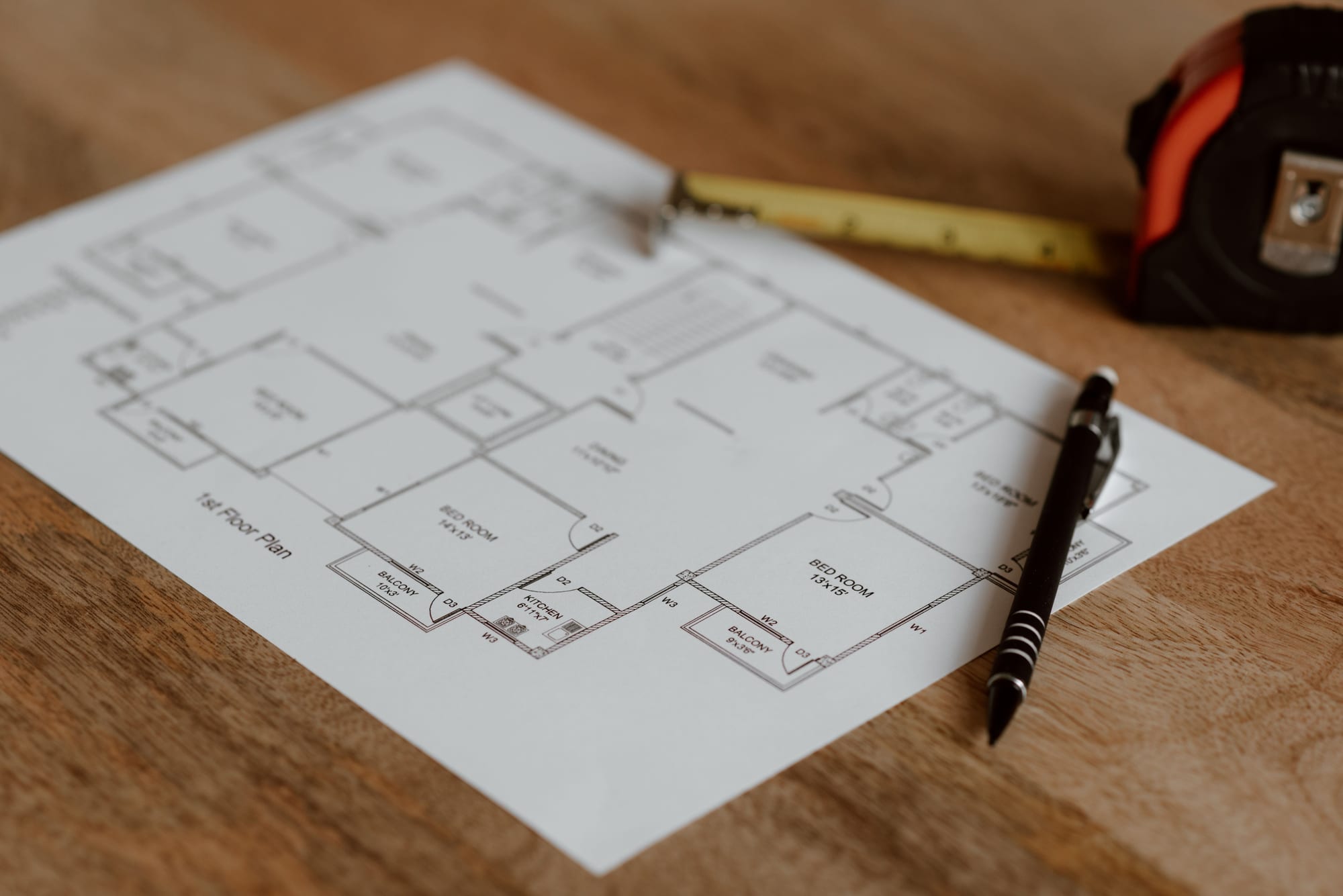
How Architectural Style Affects Property Valuation
Never assess architectural style independently of other market factors.
A professional valuation considers how design, location, condition, and comparable sales relate.
| Valuation factor | Why it matters |
|---|---|
| Architectural identity | Distinctive design can influence buyer interest |
| Construction quality | Materials and craftsmanship affect perceived value |
| Neighbourhood compatibility | Design should complement surrounding properties |
| Functional layout | Practical living arrangements influence demand |
| Heritage considerations | Preservation obligations may affect future alterations |
| Lot characteristics | Privacy, landscaping, and waterfront positioning influence desirability |
Two similarly sized Oakville residences may achieve different valuations because of their architectural execution, condition, and setting.
A reliable assessment therefore requires carefully selected comparable properties rather than broad municipal averages.
Should Homeowners Renovate Before Selling?
For owners who have occupied their properties for decades, extensive renovations are not always necessary.
Before commissioning architectural changes, consider whether the proposed improvements genuinely strengthen the property’s market positioning.
Professional advice can help you decide whether preserving original detailing, refining existing interiors, or presenting the residence in its current condition is the best strategy.
Homeowners contemplating a transition may also benefit from exploring downsizing options in Oakville.
The objective is to protect the property’s distinctive character while making informed financial decisions.
Understanding Your Oakville Home’s Architectural Value
Architectural style plays a key role in how Oakville luxury homes are perceived, compared, and valued.
Whether your residence is a heritage property in Old Oakville or a contemporary estate in Morrison, its architectural identity deserves careful consideration.
With deep Oakville expertise, global reach, and tailored marketing strategies, the Dan Cooper Group provides informed guidance for homeowners considering their next chapter.
Connect with the Dan Cooper Group for a discreet, complimentary property valuation and a considered assessment of your home’s position within Oakville’s luxury real estate market.