
Selling an Oakville Home After 20+ Years: A Pre-Listing Guide for Long-Term Owners
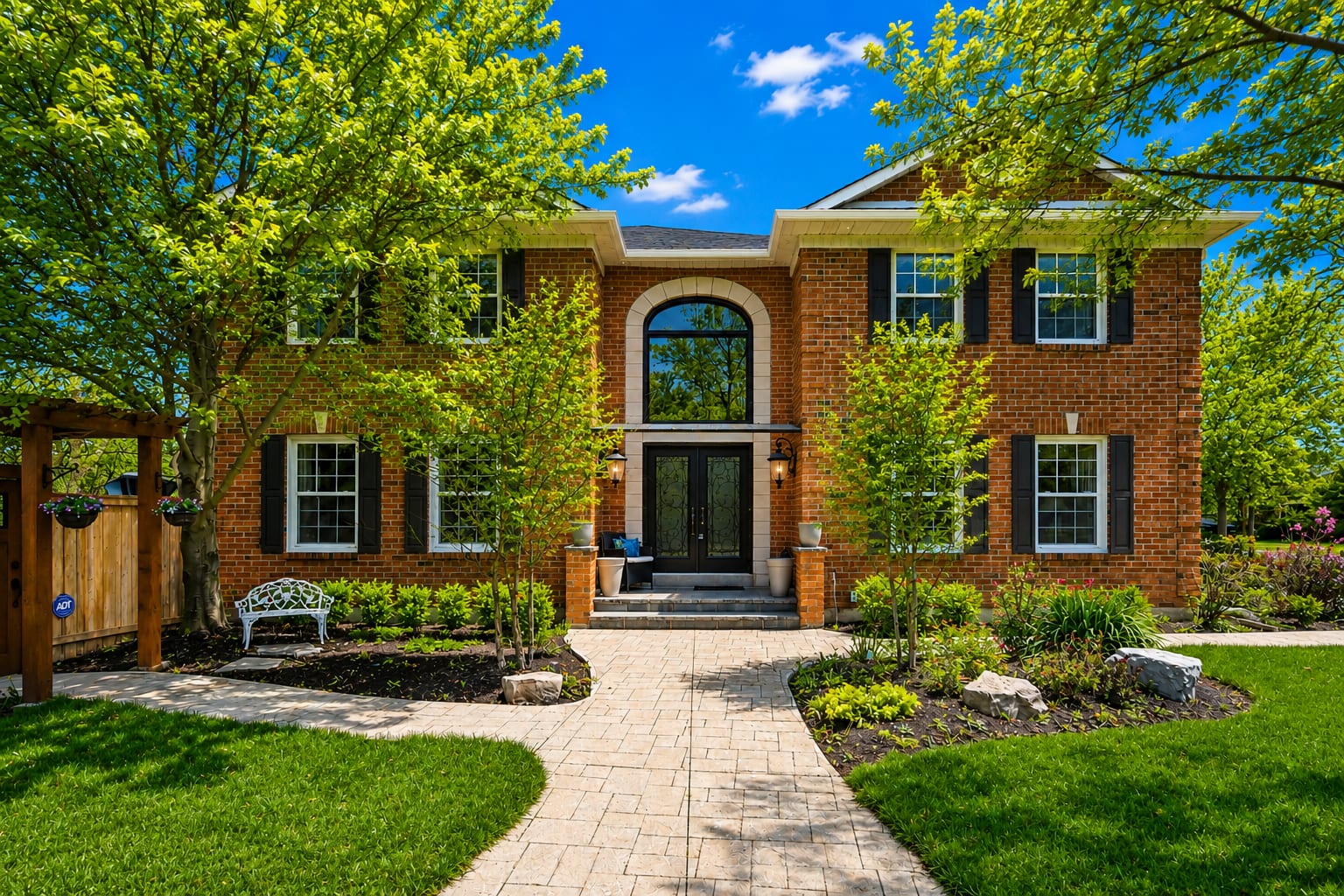
Selling a home after 20 or more years is rarely a straightforward real estate decision. The property may represent decades of family life, significant accumulated equity and, in many cases, one of your largest financial assets.
For long-term homeowners, preparation therefore deserves more thought than simply choosing a listing date.
At the Dan Cooper Group, conversations with long-term owners often begin months before a property reaches the market. That time can be valuable. It allows owners to understand the home's current position, decide which improvements are worthwhile and prepare for the practical realities of moving without unnecessary pressure.
Here is a sensible pre-listing framework.
1. Start With What Your Oakville Home Is Worth Today
After two decades, your original purchase price has little relevance to your property's current market value.
Oakville is better understood as a collection of micro-markets than as one uniform housing market. A custom-built residence in Morrison may attract a different buyer profile from a heritage property in Old Oakville or a family residence in Glen Abbey.
That is why valuation should consider more than square footage and bedroom count. Lot dimensions, street position, architectural pedigree, renovation quality, landscaping, privacy and recent comparable sales can all influence value.
Recent data illustrates the importance of looking at the current market. Dan Cooper Group's July 2026 Oakville Market Insights reported an average Oakville resale price of $1,454,094 in June 2026, compared with $1,448,777 in June 2025. Detached homes averaged $1,813,115 in June 2026.
Those town-wide figures provide context, but they cannot determine the value of an individual property. A professional Oakville home evaluation can assess the specific characteristics of your property and the relevant comparable sales.
2. Decide Why You Are Moving Before Deciding When
For someone who has lived in the same Oakville home for 20 or 25 years, the next move is often driven by more than market conditions.
You may want less property to maintain, a different style of residence, greater proximity to children and grandchildren, or simply a home that better suits the next stage of life.
Recent Canadian research reinforces how varied these motivations can be.
A 2026 Statistics Canada study using the 2022 Canadian Housing Survey found that 33.3% of Canadian households had moved to their current residence within the previous five years. Reasons varied considerably depending on the type and distance of the move. Among interprovincial movers, for example, 27.6% cited wanting to be closer to family.
The relevance for long-term Oakville owners is not that there is a "correct" time to move. The reason for selling should help determine the timeline.
3. Separate Sentimental Value From Market Value
Twenty years of ownership creates something no comparable-sale analysis can measure: emotional value.
Perhaps your children grew up in the home. You may have invested extensively in the garden, commissioned custom millwork or designed rooms around the way your family lives.
Those things can matter deeply without translating dollar-for-dollar into market value.
A prospective buyer encounters the property differently. They compare its location, land, architecture, condition, and lifestyle against other Oakville luxury homes for sale.
A strong pre-listing strategy respects the home's history while identifying the attributes today's buyers are most likely to value.
4. Don't Renovate Simply Because the Home Is Older
A common question among long-term owners is whether they should renovate before listing.
Sometimes the answer is yes. Often it is more selective.
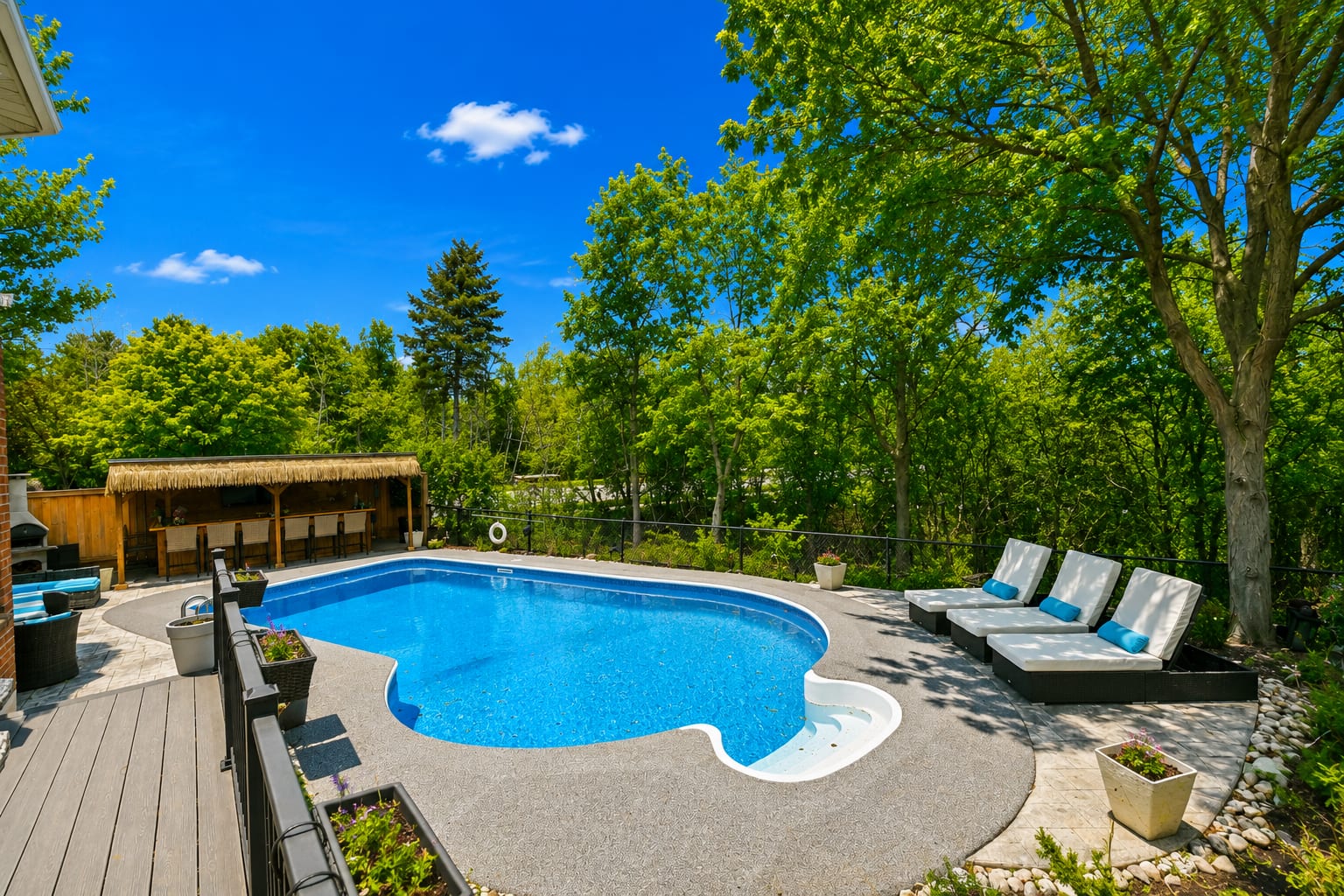
An architecturally distinctive residence in Old Oakville or Morrison should not automatically be remodelled to resemble a new build. Original millwork, mature landscaping, generous lots and established architectural character may be part of its appeal.
Instead, assess potential work according to whether it:
- resolves visible deferred maintenance;
- improves the property's presentation;
- removes a likely buyer objection; or
- materially strengthens its position against comparable Oakville listings.
Consider major renovations undertaken purely for resale carefully. The objective is not to make the property new. It is to present its strongest version to the appropriate buyer.
5. Begin Editing 20 Years of Possessions Early
Preparing the physical home can be easier than deciding what to do with everything inside it.
Start with items that don't require difficult decisions: unused furniture, duplicate household items, archived paperwork, and belongings already intended for family members.
Then move gradually toward more personal possessions.
Research into later-life downsizing suggests that having control over the relocation process matters. A study published in The Gerontologist examining adults who had recently downsized found that participants who felt less control over their relocation experienced poorer move satisfaction and psychological well-being.
For homeowners considering a move months from now, that supports a practical principle: give yourself time to decide rather than letting the listing date decide for you.
6. Prepare the Home Through a Buyer's Eyes
After decades in a property, certain details become invisible to the owner.
Walk through each space from a buyer's perspective. Consider lighting, paintwork, flooring, window treatments, exterior maintenance, landscaping and how easily someone unfamiliar with the house can understand each room.
Professional staging may also be appropriate.
The National Association of Realtors' 2025 Profile of Home Staging found that 83% of buyers' agents said staging made it easier for buyers to visualize a property as their future home.
For an Oakville residence, staging should not make the property feel generic. It should reduce visual distractions so buyers notice the architecture, proportions, natural light, grounds and craftsmanship.
7. Build the Marketing Strategy Before the Listing Goes Live
Significant properties benefit from behind-the-scenes preparation.
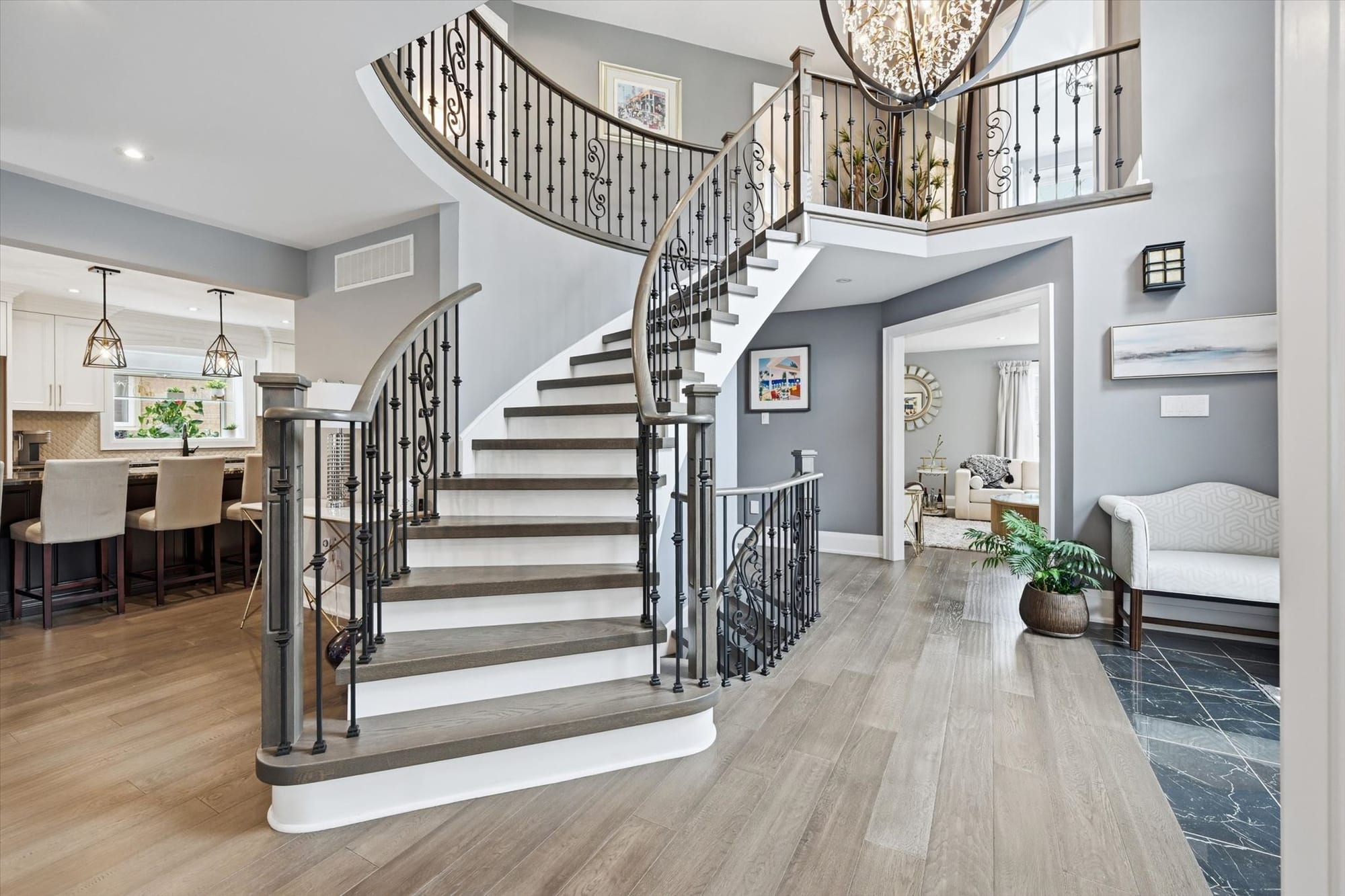
Professional photography, video, property storytelling, digital distribution and direct exposure to qualified buyers and their representatives should form one coordinated campaign.
The strategy should also reflect the neighbourhood. Buyers considering Oakville real estate may value different attributes in Glen Abbey, River Oaks, Old Oakville, Morrison or Joshua Creek.
For some owners, discretion matters just as much. Discuss privacy, showing arrangements, marketing exposure and the appropriate balance between broad reach and targeted outreach before the property enters the public market.
A 20-Year Home Deserves More Than a Listing Date
Selling a long-held Oakville residence is best treated as a planned transition, not a single transaction.
Start by understanding the property's present value. Then set your timeline, assess improvements selectively, organize possessions gradually, and develop a marketing strategy suited to the home's position in the Oakville market.
If you are considering selling within the next six to twelve months, connect with the Dan Cooper Group for a discreet, complimentary property valuation and an initial conversation about your options. Starting the discussion does not mean you need to list immediately. It simply gives you better information for deciding what comes next.